Requesting a freight quote may seem simple. A business sends shipment details to a logistics provider, waits for a price, and compares options. In practice, however, the accuracy of a freight quotation depends heavily on the information provided from the beginning.
For importers, exporters, manufacturers, and trading companies, preparing the right details before requesting a freight quote can help reduce back-and-forth communication, avoid unclear cost estimates, and support better logistics planning. It also allows the freight forwarder to recommend a more suitable shipping method, route, documentation approach, and delivery arrangement.
This article explains the key information businesses should prepare before requesting a freight quote for international shipping.
Why Accurate Information Matters in a Freight Quote
A freight quote is not based only on the name of the product or the destination country. It may be affected by several factors, including shipment size, gross weight, cargo type, origin, destination, delivery terms, customs requirements, handling conditions, and transportation mode.
If the shipment information is incomplete, the quotation may only be a rough estimate. Once the actual cargo details are confirmed, the cost, transit time, required documents, or handling requirements may change.
For this reason, businesses should prepare shipment information as clearly as possible before requesting a quotation from a freight forwarder or logistics provider.
1. Cargo Description
The first detail to prepare is a clear description of the goods.
A general product name may not be enough. Instead of writing only “machine parts,” “consumer goods,” or “equipment,” businesses should provide a more specific description that explains what the goods are and how they will be used.
A clear cargo description helps the logistics team understand whether the goods require special handling, whether they may be subject to import or export controls, and whether additional documents may be needed.
Useful details may include:
- Product name
- Material or main components
- Intended use
- Whether the goods are new or used
- Whether the goods are general cargo, machinery, chemicals, food products, electronics, or regulated goods
For certain product categories, additional licenses, certificates, or approvals may be required before shipment or customs clearance. These requirements should always be checked before confirming the shipment.
2. Cargo Weight and Dimensions
Weight and dimensions are essential for freight calculation.
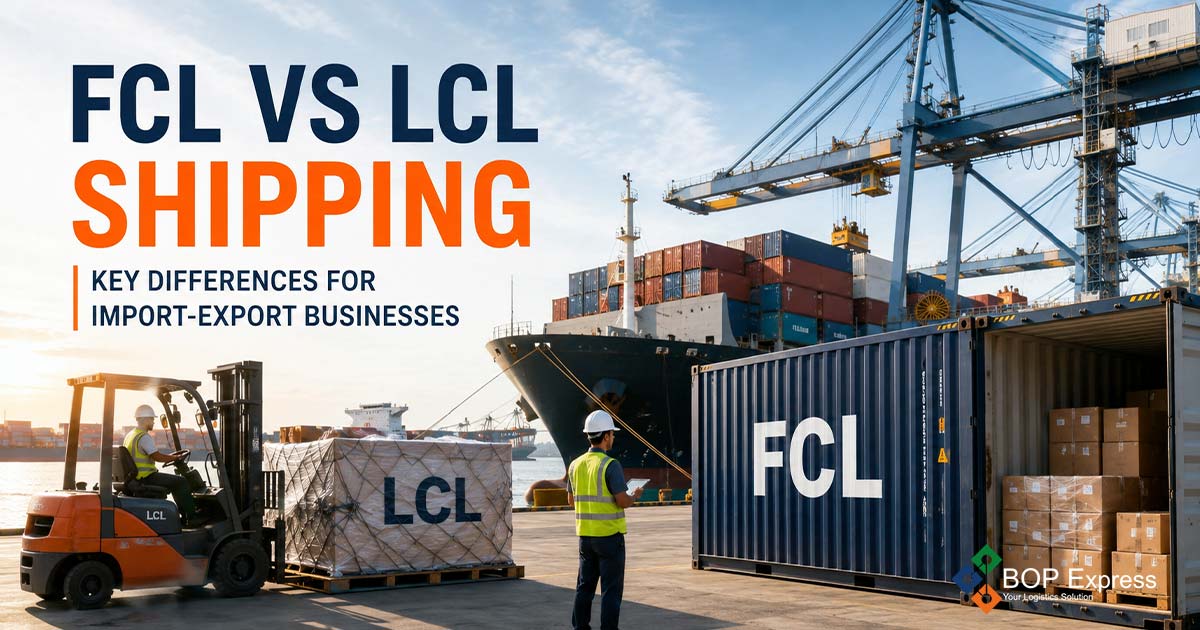
For air freight, both gross weight and volumetric weight may affect the final chargeable weight. For sea freight, cargo volume, container usage, pallet size, and whether the cargo is shipped as FCL or LCL can influence the quotation. For inland transportation, cargo weight and size can affect vehicle selection, loading method, and route planning.
Businesses should prepare:
- Gross weight
- Net weight, if available
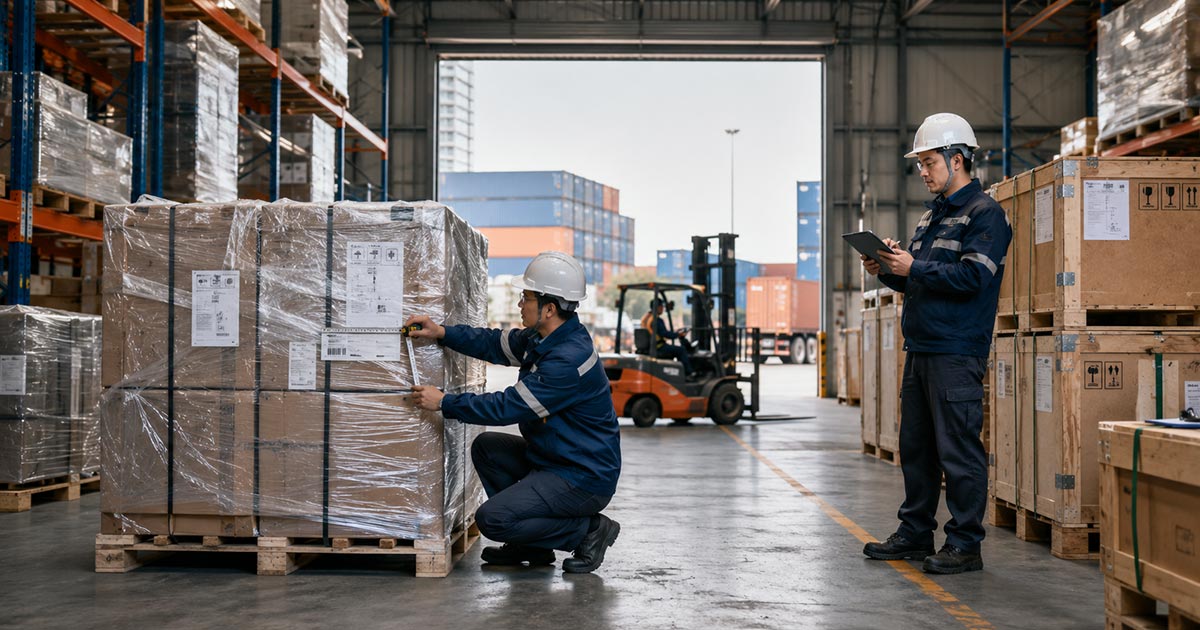
- Length, width, and height of each package
- Number of packages
- Total cargo volume
- Pallet size, crate size, or carton size
- Whether the cargo is stackable or non-stackable
If the cargo is oversized, heavy, fragile, or difficult to handle, this should be clearly mentioned from the beginning.
3. Packaging Type
Packaging affects transportation cost, loading safety, handling method, and cargo protection.
A logistics provider may need to know whether the cargo is packed in cartons, pallets, wooden crates, drums, bags, rolls, containers, or loose cargo. For heavy equipment or project cargo, the packaging and lifting points may also affect loading and unloading arrangements.
Businesses should provide photos of the packed cargo if available. This is especially helpful when the cargo is large, irregular in shape, fragile, or requires special equipment for handling.
Common packaging details include:
- Carton, pallet, crate, drum, bag, or loose cargo
- Number of packages
- Packaging dimensions
- Whether the cargo can be stacked
- Whether forklift or crane handling is required
- Whether the packaging is suitable for international transport
Good packaging information helps reduce uncertainty in the quotation and supports safer shipment planning.
4. Origin and Destination Details
A freight quote requires more than just the country of origin and destination. The exact pick-up and delivery locations can affect cost, route selection, customs planning, and inland transportation.
Businesses should prepare:
- Pick-up address
- Delivery address
- Port of loading or airport of departure, if known
- Port of discharge or airport of arrival, if known
- Factory, warehouse, or site location
- Whether door-to-door delivery is required
- Whether loading or unloading support is needed
For example, a shipment from a factory to a destination warehouse may require inland trucking, export customs clearance, international freight, import customs clearance, and final delivery. Each stage can affect the total quotation.
5. Preferred Shipping Method
Some businesses already know whether they want to ship by air freight, sea freight, or cross-border trucking. Others may need advice from a freight forwarder.
If the shipping method is not yet decided, businesses should explain their priorities. The logistics provider can then recommend a suitable option based on cost, urgency, cargo type, volume, and destination.
Important questions include:
- Is speed more important than cost?
- Is the shipment urgent?
- Is the cargo suitable for air freight?
- Can the shipment be consolidated as LCL?
- Is a full container required?
- Is cross-border trucking more suitable for the destination?
- Are there any delivery deadlines?
For time-sensitive cargo, air freight may be more suitable. For larger shipment volumes, sea freight may be more cost-effective. For regional movement within ASEAN, cross-border logistics or inland transportation may be considered depending on route and cargo requirements.
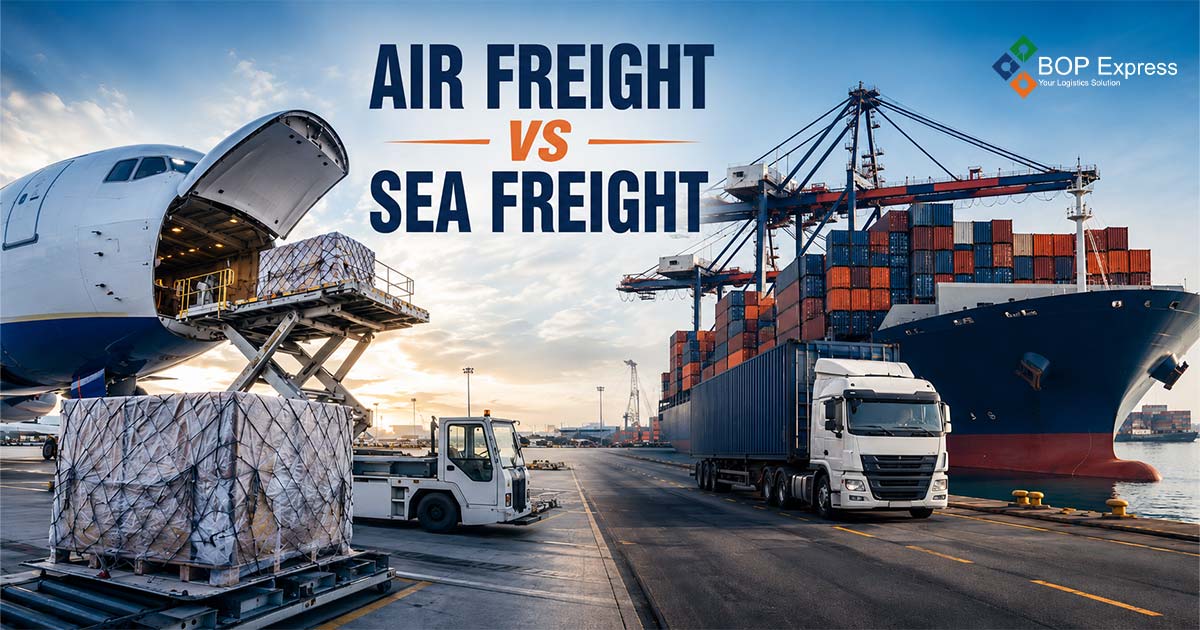
Businesses that are still comparing transportation options may also want to review the differences between air freight and sea freight before selecting a shipping method.
6. Incoterms or Trade Terms
Incoterms define the responsibilities between buyer and seller in an international transaction. They can affect who is responsible for freight cost, insurance, customs clearance, duties, delivery, and risk at different points of the shipment.
When requesting a freight quote, businesses should provide the relevant trade term if available, such as EXW, FOB, CIF, CFR, DAP, or DDP.
If the Incoterms are not yet confirmed, businesses should inform the logistics provider. This allows the quotation to be prepared with clear assumptions and helps avoid misunderstanding between buyer, seller, and logistics partners.
7. Shipment Documents
For international freight, documents are a critical part of the shipment process. Incomplete or inaccurate documents may cause customs issues, shipment delays, or additional coordination.
For shipments that involve import or export procedures, businesses should also understand how customs clearance requirements may affect documentation and shipment timing.
Businesses should prepare or check the availability of documents such as:
- Commercial invoice
- Packing list
- Bill of lading or air waybill
- Purchase order, if applicable
- Certificate of origin, if applicable
- Import or export license, if applicable
- Product specification, catalogue, or technical document, if needed
- Insurance document, if required
The actual document requirements depend on the product type, origin, destination, customs regulations, and trade terms. Therefore, document requirements should be reviewed before shipment confirmation.
8. HS Code and Product Classification
The HS Code is used for customs classification and may affect duty rates, taxes, import restrictions, and required permits.
If the business already has an HS Code, it should be shared when requesting a freight quote. If not, the product description, material, usage, and technical details should be provided so the customs or logistics team can review the classification more accurately.
Incorrect product classification may lead to customs delays, additional document requests, or unexpected cost adjustments.
9. Cargo Value and Insurance Requirement
Cargo value is important for customs declaration, insurance consideration, and risk management.
Businesses should provide the commercial value of the goods and clarify whether cargo insurance is required. For high-value goods, fragile products, machinery, or long-distance international shipments, insurance should be considered as part of the logistics planning process.
The logistics provider may also need to know the currency, invoice value, and whether the declared value matches the commercial invoice.
10. Special Handling Requirements
Some shipments require more than standard transportation.
Businesses should inform the logistics provider if the cargo has any special conditions, such as:
- Fragile goods
- Temperature-sensitive cargo
- Dangerous goods
- Oversized cargo
- Heavy equipment
- High-value cargo
- Non-stackable cargo
- Cargo requiring crane or special lifting equipment
- Delivery to a construction site, factory, mine, or restricted area
Special handling requirements can affect vehicle type, carrier selection, route planning, documentation, safety checks, and cost estimation.
11. Expected Shipment Date and Delivery Timeline
A freight quote should include a realistic shipment timeline. Businesses should provide the expected cargo-ready date, preferred departure date, and required delivery deadline.
This helps the logistics provider check available transport options, carrier schedules, trucking arrangements, and customs planning. For urgent shipments, the timeline should be communicated clearly from the beginning.
Businesses should also understand that transit times may vary depending on carrier schedule, customs clearance, weather conditions, port or airport operations, and destination handling.
12. Contact Person and Decision-Making Details
A freight quotation often requires follow-up questions. Having a responsible contact person helps speed up communication and avoid missing details.
Businesses should prepare:
- Contact person name
- Company name
- Email address
- Phone number
- Role or department
- Preferred communication channel
- Decision timeline
For corporate shipments, it may also be useful to indicate whether the request is for budget planning, supplier comparison, an urgent shipment, or a confirmed shipment.
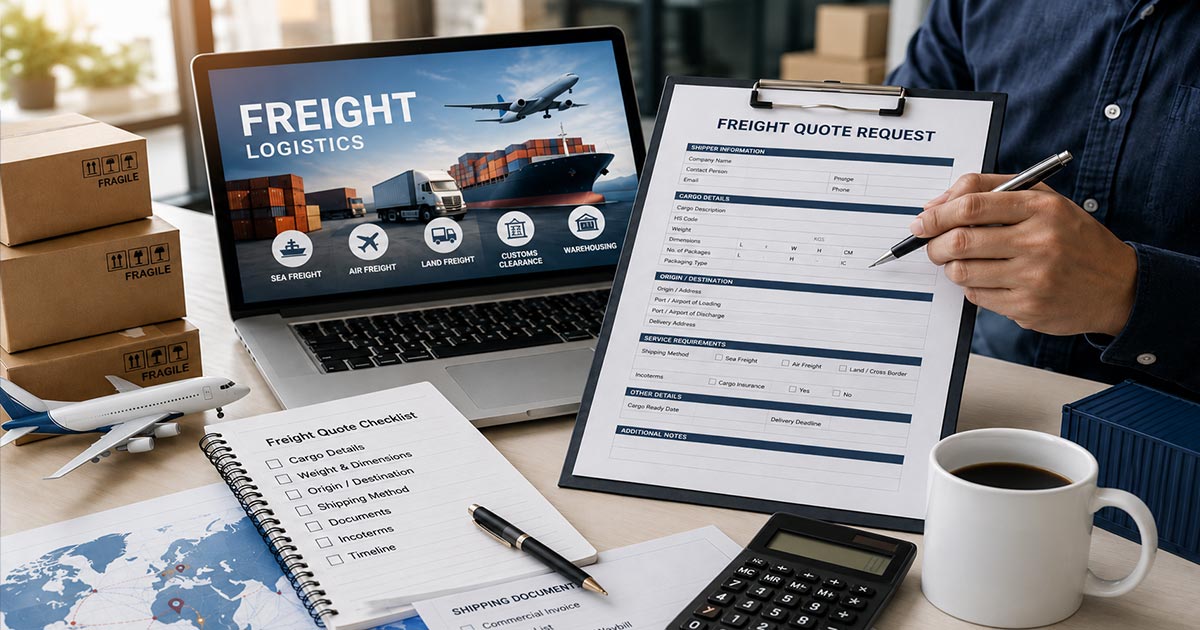
Practical Freight Quote Checklist
Before requesting a freight quote, businesses should prepare the following information:
- Cargo description
- Product type and HS Code, if available
- Gross weight and dimensions
- Number of packages
- Packaging type
- Cargo value
- Pick-up and delivery locations
- Preferred shipping method
- Incoterms or trade terms
- Cargo-ready date
- Required delivery timeline
- Required documents
- Special handling requirements
- Insurance requirement
- Contact person details
The more complete the information, the more accurate and practical the quotation can be.
How BOP Express Supports Freight Quotation Planning
For businesses involved in import, export, air freight, sea freight, customs clearance, cross-border logistics, or inland transportation, preparing shipment information correctly is an important first step.
BOP Express provides logistics coordination for business customers, supporting freight forwarding, customs clearance, air freight, sea freight, cross-border transportation, and delivery planning from origin to destination.
If your business is preparing for an international shipment, you can contact BOP Express with your cargo details, route, documents, and expected timeline. Our team can review the shipment requirements and help recommend a suitable logistics approach based on the information provided.
Businesses that need logistics support for international shipments can explore BOP Express freight forwarding services for shipment coordination, documentation support, and transport planning.
Talk to BOP Express
Preparing a freight quote is not only about asking for a price. It is about giving the logistics team the information needed to plan the shipment properly.
If your business is preparing to import, export, or move cargo across borders, contact BOP Express to discuss your shipment details and logistics requirements.
If you need to discuss shipment details, timelines, or documentation requirements, you can contact BOP Express to continue the conversation with the team.