
Why Accurate Cargo Information Matters in Freight Forwarding
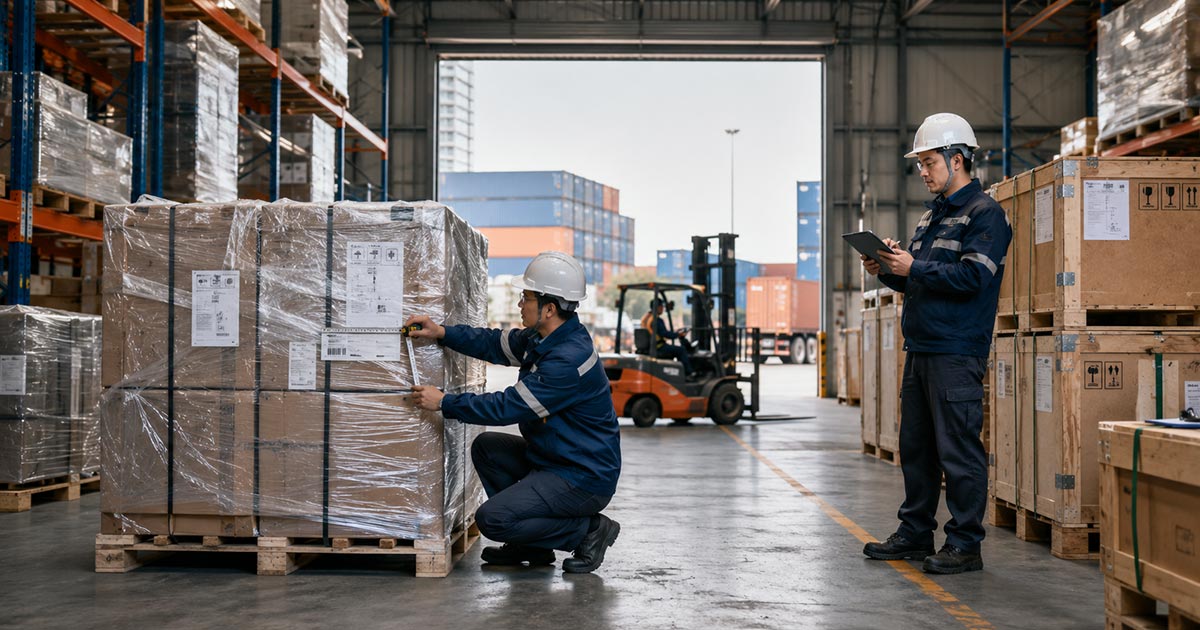
Accurate cargo information helps logistics providers estimate freight costs, plan transportation, review documents, and reduce avoidable shipment issues.

Accurate cargo information helps logistics providers estimate freight costs, plan transportation, review documents, and reduce avoidable shipment issues.

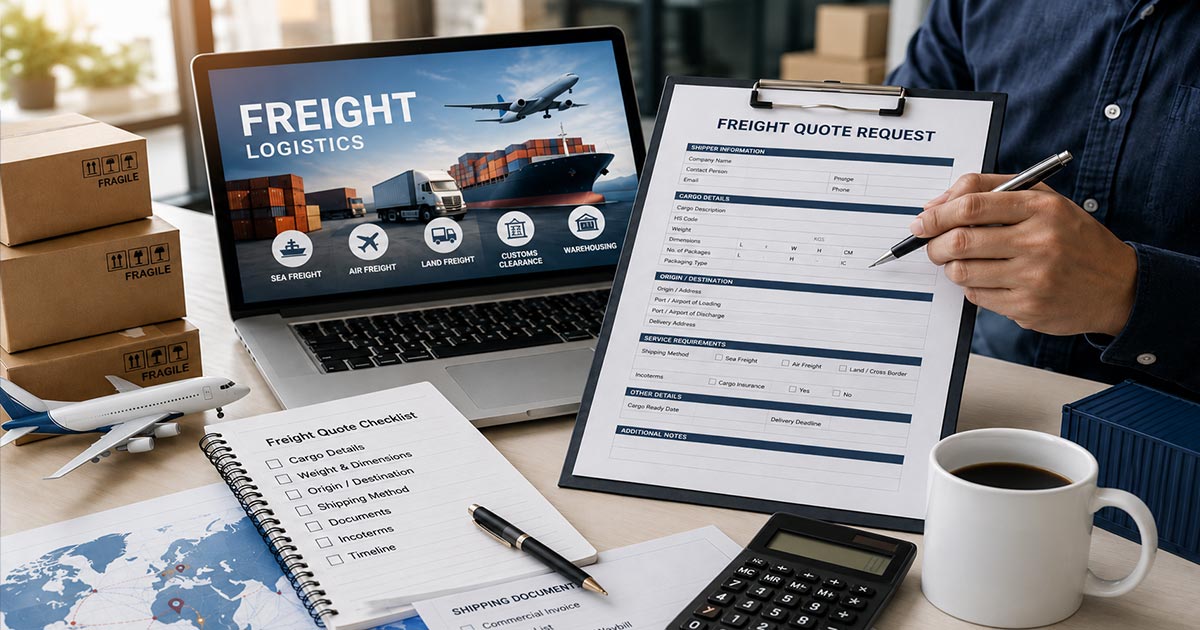
Preparing accurate shipment information helps logistics providers estimate freight costs, recommend suitable shipping methods, and plan the shipment more efficiently.

Shipping and logistics trends in 2026 are being shaped by e-commerce, cold chain demand, bulky cargo delivery, fulfillment services, and rising expectations for faster and more visible supply chain operations.

A logistics system is more than transportation. It connects goods, information, warehouses, partners, and customers across the supply chain. In 2026, businesses need stronger logistics systems to improve reliability, cost control, and competitiveness.

Logistics technology helps businesses improve transportation planning, shipment visibility, warehouse coordination, and delivery performance. For modern supply chains, technology is becoming an important part of logistics efficiency.

Logistics and supply chain are closely connected, but they are not the same. Understanding the difference helps businesses improve operations, reduce inefficiencies, and support better coordination from source to customer.

Inbound logistics and outbound logistics are both essential parts of supply chain operations. Understanding the difference helps businesses improve planning, inventory control, transportation, and delivery performance.

A Bill of Lading is one of the most important documents in sea freight. It serves as evidence of cargo receipt, a contract of carriage, and in many cases, a document of title for imported or exported goods.