
In 2026, logistics is no longer viewed only as transportation. For modern businesses, logistics is a system that connects sourcing, storage, documentation, transportation, customs-related coordination, distribution, and customer delivery.
A strong logistics system helps businesses move goods more efficiently, respond to market changes, reduce operational gaps, and support long-term growth.
For manufacturers, importers, exporters, distributors, and businesses connected to regional or international supply chains, logistics has become a strategic business function rather than a back-office operation.
What Is a Logistics System?
A logistics system refers to the structured process of planning, moving, storing, and coordinating goods, information, and related resources from the point of origin to the final destination.
In practice, a logistics system may include:
- transportation planning
- warehouse and inventory coordination
- freight forwarding
- customs-related documentation
- cargo handling
- shipment tracking
- distribution planning
- communication between suppliers, carriers, partners, and customers
The purpose of a logistics system is to make sure that goods move through the supply chain in a reliable, timely, and cost-conscious way.
Why Logistics Is Important for Business Development
Logistics directly affects how a business serves its customers. Even if a company has strong products, weak logistics can create delays, higher costs, damaged goods, poor communication, or service inconsistency.
A well-managed logistics system can support business development in several ways:
- improving delivery reliability
- reducing unnecessary costs
- supporting better inventory control
- improving customer experience
- connecting import-export operations more smoothly
- helping businesses scale to new markets
- supporting supply chain visibility
This is why logistics should not be treated as a cost center only. It is a part of business competitiveness.
Thailand’s Logistics Role in 2026
Thailand continues to be strategically positioned in Southeast Asia. The country connects industrial zones, ports, airports, border routes, manufacturing bases, and regional markets.
This position supports the development of logistics services across multiple areas, including road transportation, sea freight, air freight, warehouse operations, import-export coordination, and cross-border logistics.
As supply chains become more regional and more connected, businesses operating in Thailand need logistics systems that can support both domestic and international movement.
Key Components of a Modern Logistics System
A logistics system usually includes several connected components. Each part affects the overall efficiency of the supply chain.
1. Transportation
Transportation is the movement of goods between locations. It may involve road, sea, air, rail, or multimodal transport.
For businesses, transportation planning affects cost, delivery time, route reliability, and customer satisfaction.
2. Warehousing and Storage
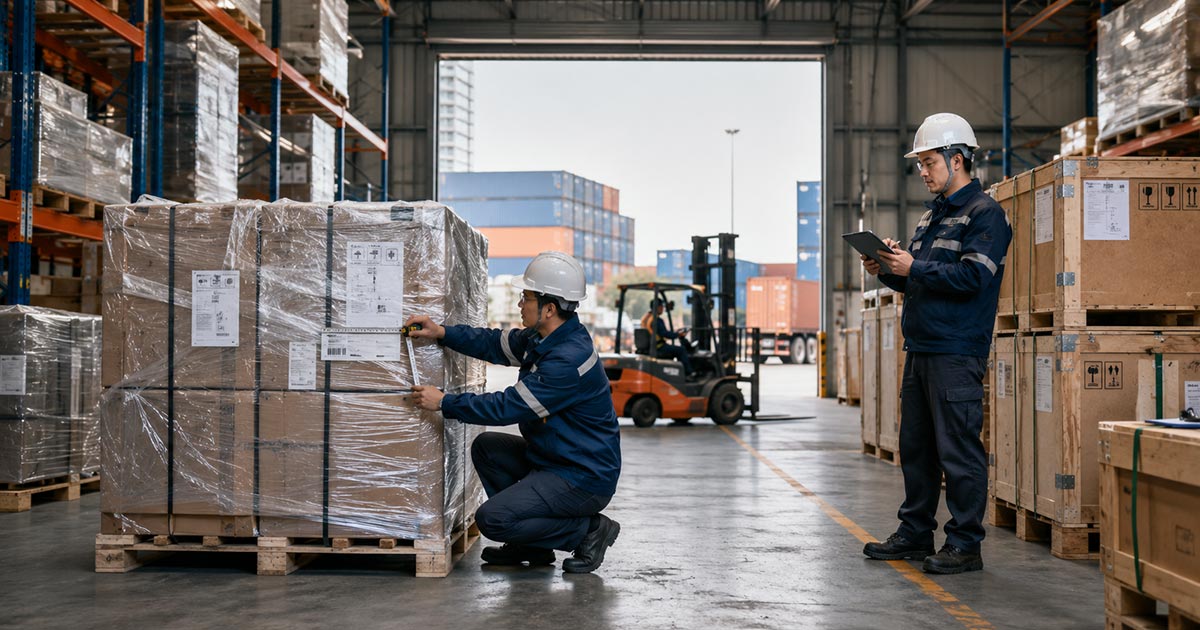
Warehousing supports the storage, handling, and preparation of goods before they move to the next stage.
Good warehouse management helps businesses improve inventory accuracy, reduce handling time, and support faster order preparation.
3. Inventory Coordination
Inventory coordination helps businesses understand what products are available, where they are stored, and when they need to move.
Poor inventory visibility can lead to stock shortages, excess stock, delayed shipments, or missed sales opportunities.
4. Freight Forwarding
Freight forwarding supports international transportation planning and coordination across carriers, routes, shipping modes, and documentation.
For import-export businesses, freight forwarding plays an important role in connecting suppliers, customers, shipping lines, airlines, and other logistics parties.
5. Customs-Related Documentation
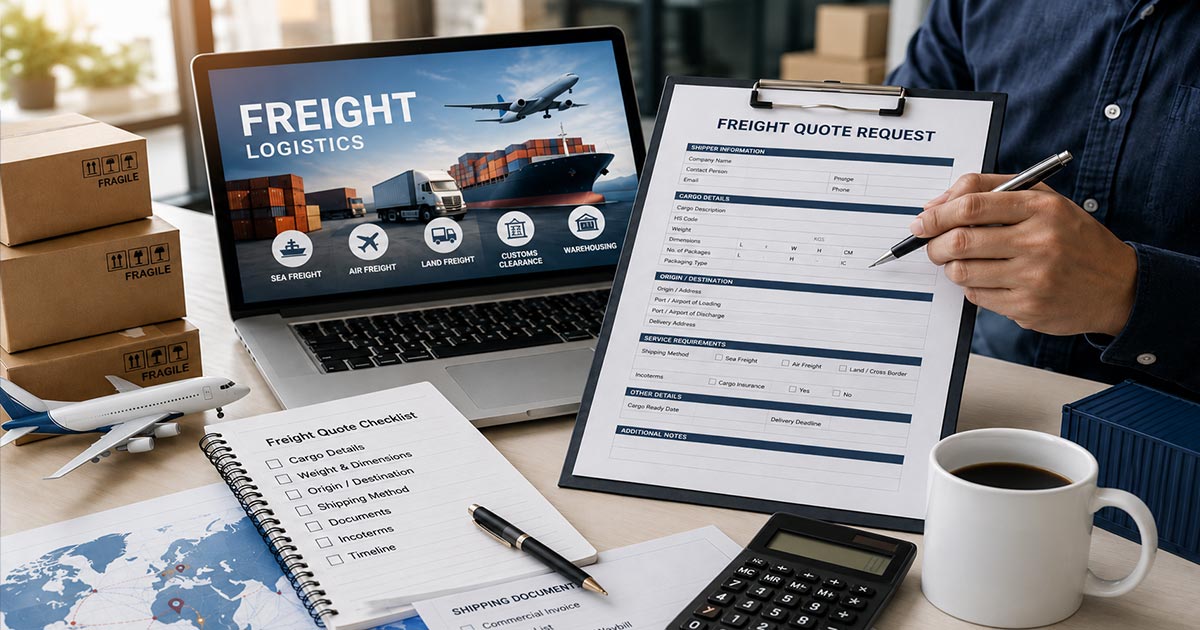
International logistics requires accurate documentation. Import-export shipments may involve invoices, packing lists, transport documents, customs declarations, permits, and certificates.
Document errors can create delays in customs clearance, cargo release, or payment processing.
6. Distribution and Delivery
Distribution moves goods from warehouses, factories, or distribution centers to customers, branches, retailers, or end users.
Effective distribution planning helps businesses deliver the right goods to the right place at the right time.
7. Information Flow
A logistics system depends not only on physical movement but also on information flow.
Shipment status, inventory data, delivery schedules, document updates, and customer communication must be clear and timely.
How Technology Supports Logistics Systems in 2026
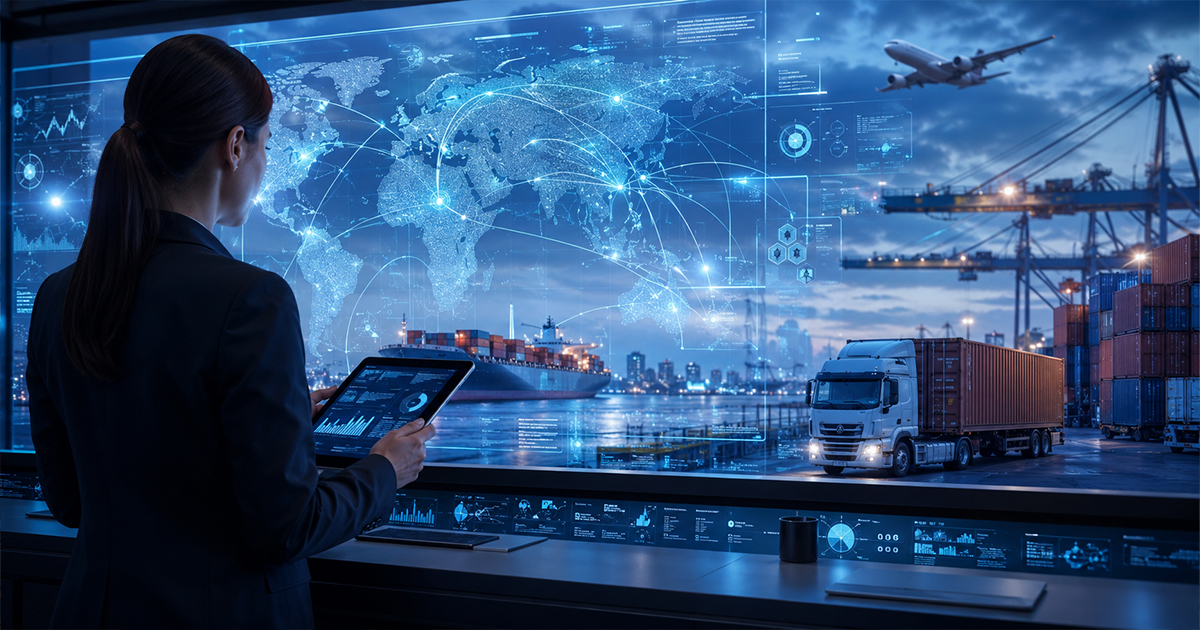
Technology has become an important part of logistics system development. It helps businesses manage complexity, reduce manual work, and improve operational visibility.
Examples of technology used in logistics include:
- shipment tracking systems
- route planning tools
- warehouse management systems
- cloud-based document storage
- IoT sensors for cargo or temperature monitoring
- data dashboards
- digital communication with customers and partners
- automation in warehouse operations
However, technology should support real logistics problems. It should help the business improve planning, visibility, coordination, and service quality.
Technology alone does not make logistics effective unless the process, people, and partners are also aligned.
Logistics Challenges Businesses Should Prepare For
In 2026, businesses may face several logistics-related challenges, including:
- rising operating costs
- fuel price volatility
- higher customer expectations
- more complex import-export requirements
- demand for faster delivery visibility
- warehouse capacity pressure
- cross-border coordination complexity
- data and cybersecurity concerns
These challenges make logistics planning more important than ever. Businesses need to review not only how goods are moved, but how the whole logistics system is managed.
Why Businesses Should Improve Logistics Before Scaling
Many businesses try to expand sales before improving their logistics system. This can create problems when order volume increases, customers expand to new areas, or international shipments become more frequent.
Before scaling, businesses should ask:
- Can we track shipment status clearly?
- Are our documents accurate and organized?
- Is our warehouse process ready for higher volume?
- Can we coordinate with suppliers and partners efficiently?
- Do we understand the true cost of transportation?
- Can customers receive reliable delivery updates?
A business that improves logistics early is usually better prepared for growth.
Working with Logistics Partners
Not every business needs to build every logistics capability internally. In many cases, working with logistics partners can help businesses improve transportation coordination, freight forwarding, customs-related preparation, warehousing support, or cross-border movement.
The right logistics partner should help the business understand the process, reduce avoidable errors, and coordinate key steps more systematically.
For businesses involved in import-export, a logistics partner can support planning across shipment mode, documentation, schedule, cargo movement, and destination requirements.
Logistics as a Foundation for Business Growth
Logistics is a foundation of business growth because it connects operations with customers and markets.
A strong logistics system helps businesses move goods more reliably, manage information more clearly, and respond to supply chain changes more effectively.
In 2026, businesses that treat logistics as a strategic system rather than a simple delivery function will be better positioned to compete, grow, and serve customers in a more consistent way.