In 2026, logistics is no longer only about moving goods from one location to another. Customer expectations, e-commerce growth, supply chain complexity, and product-specific delivery requirements are changing how businesses plan transportation and fulfillment.
Businesses now need logistics solutions that can support smaller orders, faster delivery expectations, product condition control, shipment visibility, and more flexible service models.
For manufacturers, importers, exporters, distributors, and online businesses, understanding current shipping and logistics trends can help improve planning and create a better customer experience.
Why Shipping Trends Matter for Modern Businesses
The way customers buy products has changed. Online channels, digital ordering, and cross-border commerce have made logistics a more important part of the customer experience.
Today, businesses compete not only through product quality and pricing, but also through delivery speed, shipment reliability, packaging condition, tracking visibility, and after-sales coordination.
This means logistics planning should be part of business strategy, not only a back-end operation.
1. Temperature-Controlled Logistics
Temperature-controlled logistics, often called cold chain logistics, is becoming more important across many industries.
Products that may require temperature control include:
- frozen food
- chilled food
- seafood
- ready-to-eat meals
- pharmaceuticals
- vaccines
- healthcare products
- certain chemicals or specialty goods
The purpose of temperature-controlled logistics is to protect product quality, safety, and usability during storage and transportation.
In 2026, cold chain demand continues to grow because consumers expect fresher products, businesses sell food and health-related products across wider areas, and regulated products require better traceability.
For businesses, this trend means transport planning must consider not only delivery time, but also temperature stability, packaging, storage conditions, monitoring, and regulatory requirements.
2. Bulky Cargo and Special Handling Delivery
Another growing logistics requirement is the delivery of bulky, heavy, or special-handling goods.
Examples may include:
- furniture
- office equipment
- machinery parts
- home appliances
- industrial equipment
- oversized products
- project-related cargo
These products usually require more careful planning than standard parcels. Businesses need to consider cargo size, weight, packaging, handling equipment, unloading area, delivery access, and potential installation or on-site coordination.
For customers, the delivery experience is part of the product experience. If bulky goods arrive damaged, late, or without proper handling, it can directly affect customer satisfaction.
This is why businesses selling larger products should pay close attention to logistics providers that understand cargo handling, route planning, delivery conditions, and coordination at destination.
3. Fulfillment and Warehouse-Based Logistics
Fulfillment services have become more important as e-commerce and omnichannel sales continue to grow.
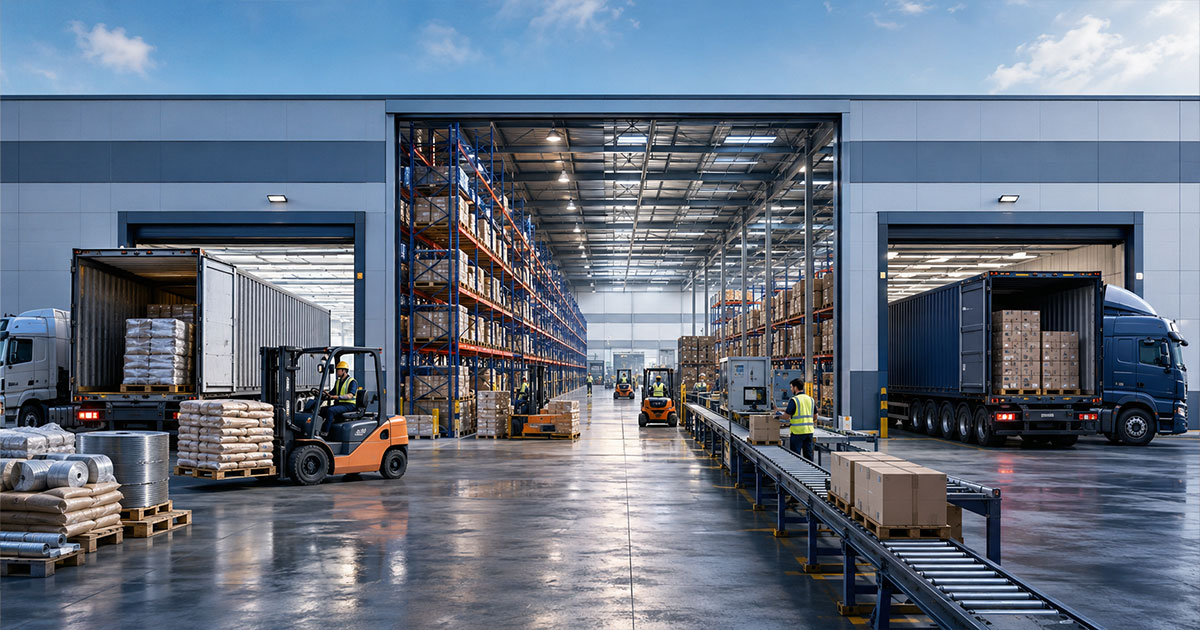
Fulfillment generally refers to a service model where goods are stored, picked, packed, and shipped on behalf of a seller or business.
A fulfillment operation may include:
- inventory receiving
- warehouse storage
- stock management
- order picking
- packing
- shipping label preparation
- handover to delivery partners
- shipment status updates
- return handling in some cases
For businesses that manage many online orders, fulfillment can help reduce internal workload and support faster order processing.
However, fulfillment is not only about having warehouse space. It also requires inventory visibility, order accuracy, technology integration, packing standards, and reliable delivery coordination.
4. Faster and More Flexible Delivery Expectations
Customers increasingly expect more control over delivery. In some markets, this may include next-day delivery, scheduled delivery windows, same-day delivery, or status updates at different stages of the shipment.
For businesses, faster delivery does not always mean choosing the fastest service every time. It means designing the right logistics model for the product, customer segment, delivery area, and cost structure.
Important considerations include:
- order cut-off time
- warehouse location
- delivery route coverage
- stock availability
- delivery partner capability
- customer communication
- cost per shipment
The real challenge is balancing speed, cost, reliability, and service quality.
5. Shipment Visibility and Digital Communication
Shipment visibility is becoming a standard expectation. Customers and business partners increasingly want to know where goods are, when they will arrive, and whether any issue has occurred.
Digital tools can help businesses improve visibility through:
- shipment tracking
- delivery status updates
- inventory systems
- customer notifications
- digital documentation
- dashboard reporting
- communication between logistics partners
For B2B logistics, visibility is especially important because a delayed shipment may affect production, inventory planning, customer commitments, or downstream delivery schedules.
6. Logistics for E-Commerce and Smaller Shipments
E-commerce continues to reshape logistics networks. Businesses need to manage smaller orders, higher shipment frequency, faster processing, and more customer-facing delivery expectations.
This trend affects not only parcel delivery, but also warehousing, packaging, stock positioning, returns, and data management.
For B2B e-commerce, logistics networks also need to support smaller shipments, automated documentation, and more flexible delivery models.
Businesses that once shipped mainly in bulk may need to adapt to more frequent and fragmented order patterns.
7. More Specialized Logistics Requirements
As markets become more competitive, one-size-fits-all logistics is no longer enough.
Different products may require different logistics models. For example:
- temperature-controlled goods need cold chain planning
- bulky goods need special handling
- high-value goods need security and tracking
- time-sensitive goods need faster coordination
- cross-border shipments need documentation and customs-related preparation
- industrial goods may need route surveys or handling equipment
This means businesses should evaluate logistics based on product requirements, not only shipping cost.
How Businesses Can Prepare for Logistics Trends in 2026
To keep up with logistics trends, businesses should review their current operations and identify where improvements are needed.
Important questions include:
- Are products being delivered in the right condition?
- Can customers or internal teams track shipment status?
- Is the warehouse ready for order volume growth?
- Are documents and shipment information consistent?
- Is the logistics model suitable for the product type?
- Are delivery expectations clear to customers?
- Are logistics partners able to support future business growth?
Businesses that understand logistics trends early can build more resilient and customer-focused operations.
Logistics Trends Are Business Strategy
Shipping and logistics trends in 2026 show that logistics is no longer a supporting function only. It is part of customer experience, cost control, operational reliability, and business growth.
Whether a business sells food, healthcare products, industrial goods, furniture, consumer products, or cross-border shipments, the right logistics approach can make the difference between a smooth customer experience and an avoidable operational problem.
For businesses preparing to grow, logistics should be planned before order volume increases, not after problems begin.