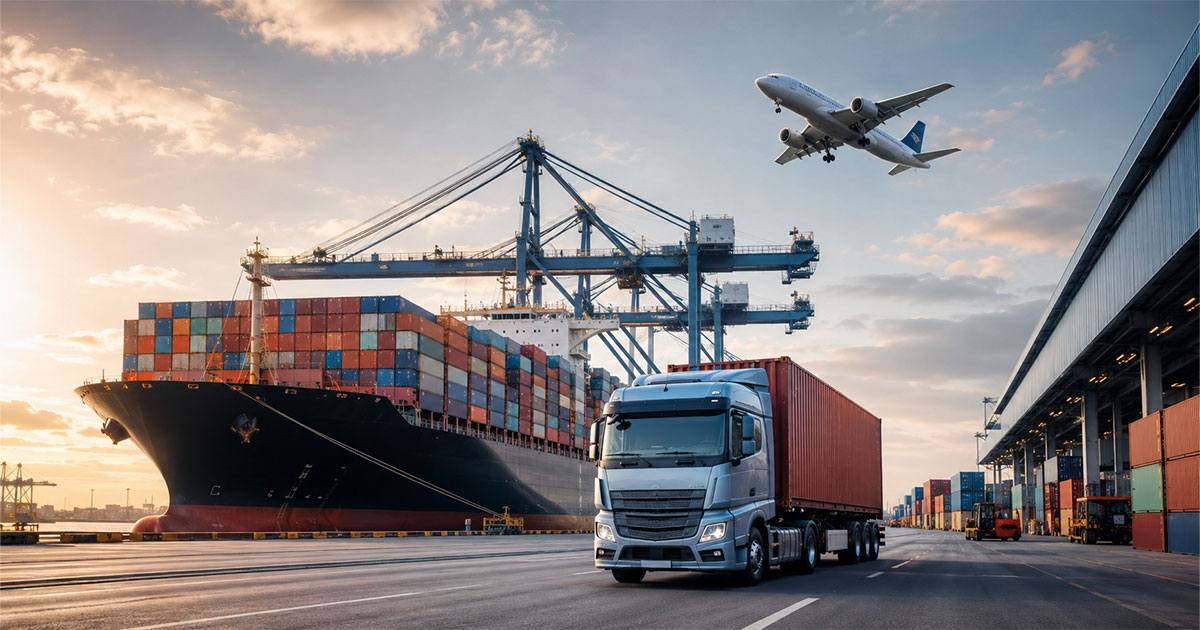
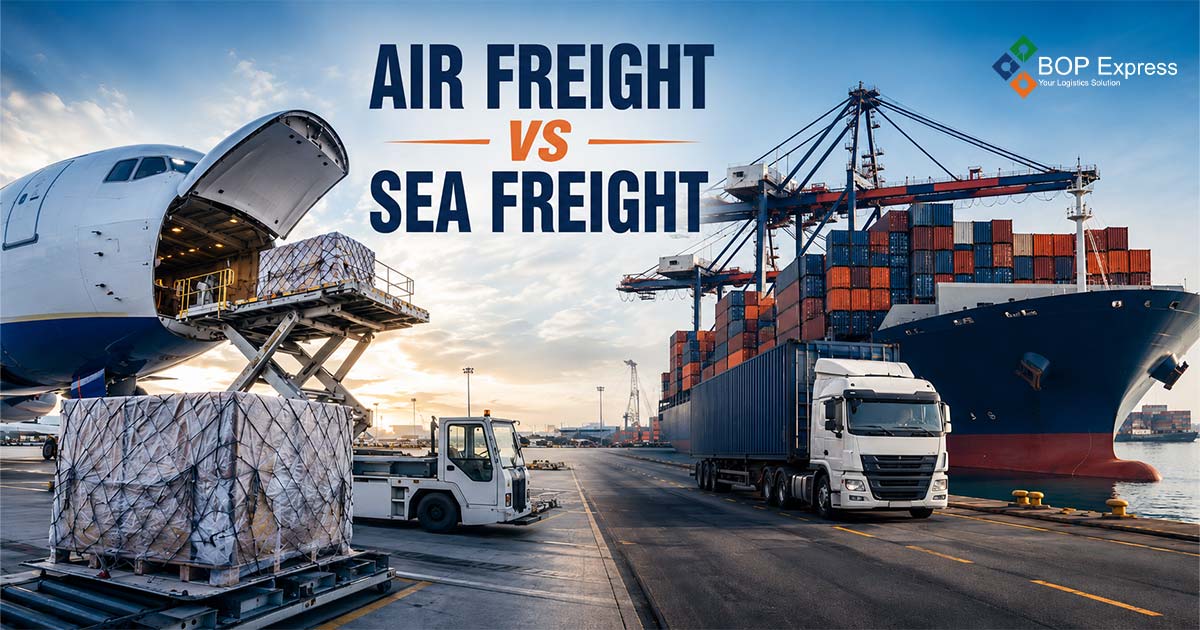
Choosing between air freight and sea freight is one of the most important decisions in international logistics. For importers, the right shipping method can affect cost, delivery time, inventory planning, cash flow, customs preparation, and customer commitments.
Air freight and sea freight both have clear advantages, but they are suitable for different shipment requirements. Air freight is often used for urgent, high-value, lightweight, or time-sensitive cargo. Sea freight is often more suitable for larger shipment volumes, heavier cargo, and goods that do not require immediate delivery.
This article explains how importers can compare air freight and sea freight before choosing a shipping method.
Why the Shipping Method Matters
The shipping method affects more than transportation cost.
It can influence lead time, documentation planning, customs clearance schedule, warehouse space, inland delivery, insurance needs, and the ability to meet production or customer delivery deadlines.
For businesses that import raw materials, machinery, spare parts, finished goods, or consumer products, choosing the wrong shipping method may result in unnecessary cost, late delivery, or inefficient inventory planning.
Instead of choosing only the lowest freight rate, businesses should compare the full shipment requirement.
What Is Air Freight?
Air freight is the transportation of goods by aircraft.
It is commonly used when shipment speed is important, when cargo value is high, or when goods need to arrive within a shorter timeframe. Air freight can be suitable for urgent spare parts, electronics, samples, medical-related goods, high-value products, seasonal items, or time-sensitive shipments.
However, air freight is generally more expensive than sea freight, especially for heavy or bulky cargo. Costs may also be affected by actual weight, volumetric weight, fuel surcharge, security requirements, airport charges, and destination handling.
What Is Sea Freight?
Sea freight is the transportation of goods by vessel.
It is commonly used for larger cargo volumes, heavier goods, regular import shipments, raw materials, machinery, industrial supplies, consumer goods, and cargo that can tolerate a longer transit time.
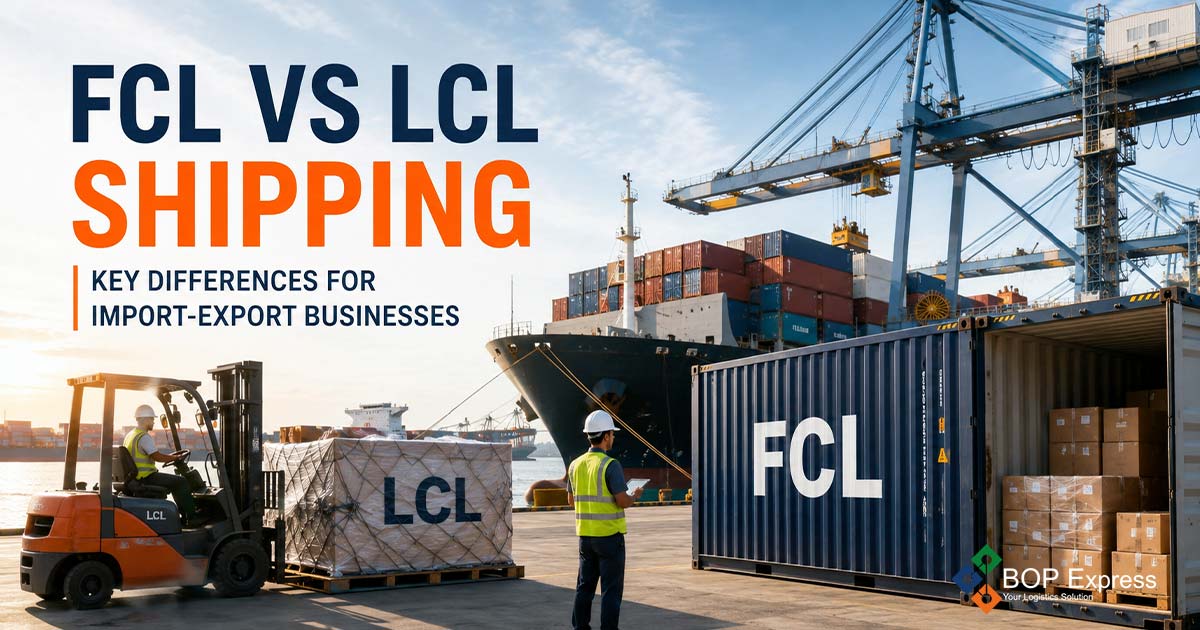
Sea freight may be shipped as LCL or FCL depending on shipment volume and cargo requirements. LCL means less-than-container load, where goods are consolidated with other shipments. FCL means full-container load, where one container is used for one shipper’s cargo.
Sea freight is often more cost-effective for large shipments, but it requires more planning time and may involve port schedules, container availability, customs clearance, and inland transportation coordination.
1. Compare Delivery Timeline
The first question importers should ask is: how urgent is the shipment?
If the cargo is needed urgently for production, repair, launch, or customer delivery, air freight may be the more suitable option. Air freight generally provides shorter transit times and can help businesses respond to urgent demand.
Sea freight usually takes longer because it depends on vessel schedules, port operations, sailing time, transshipment, customs clearance, and inland delivery.
Businesses should consider:
- Cargo-ready date
- Required delivery date
- Production deadline
- Customer commitment
- Transit time
- Customs clearance time
- Inland delivery time
If the shipment has a strict deadline, transit time should be reviewed before choosing the lowest-cost option.
2. Compare Freight Cost and Total Logistics Cost
Cost is one of the main differences between air freight and sea freight.
Air freight usually has a higher freight cost, especially for large or heavy shipments. Sea freight often provides better cost efficiency for larger cargo volumes.
However, businesses should not compare only the freight rate. They should also consider the total logistics cost, including:
- Origin handling
- Export customs clearance
- Main freight cost
- Destination handling
- Import customs clearance
- Duties and taxes
- Port or airport charges
- Inland transportation
- Storage, demurrage, or detention risk
- Insurance
- Packaging and handling requirements
Sometimes, a lower freight rate may not mean a lower total cost if the shipment creates delays, storage charges, or additional handling requirements.
3. Compare Cargo Weight and Volume
Cargo weight and volume have a major impact on the right shipping method.
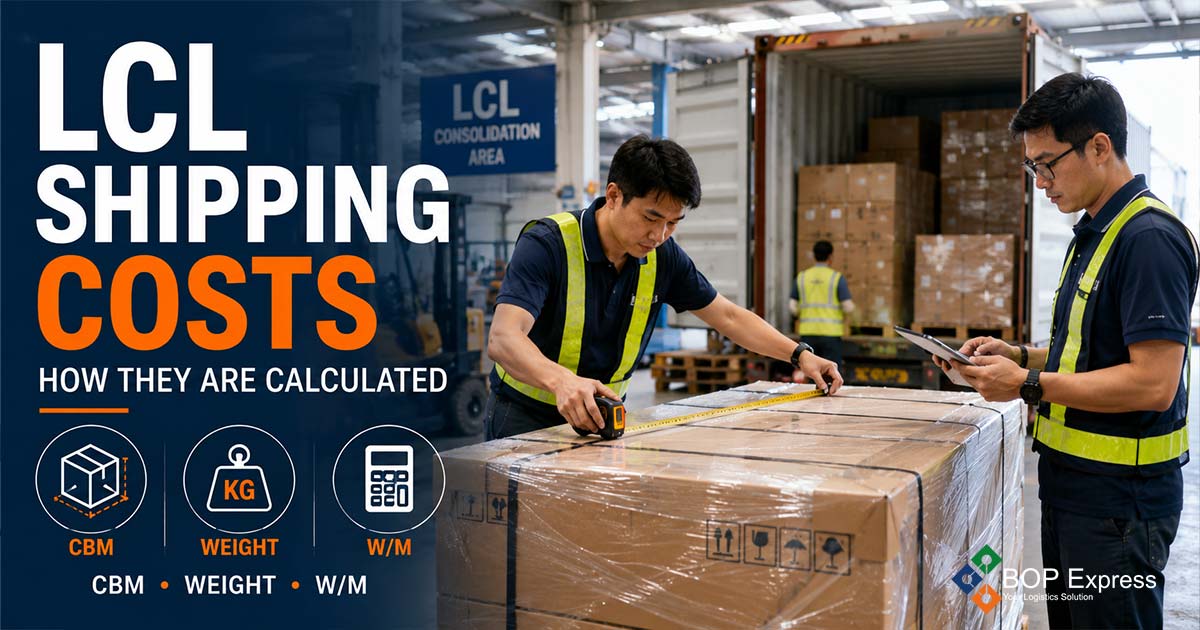
Air freight is sensitive to chargeable weight, which may be based on actual weight or volumetric weight. If the cargo is light but takes up a large space, the chargeable weight may be higher than expected.
Sea freight is usually more suitable for large-volume cargo, palletized cargo, industrial goods, and shipments that can be consolidated or moved by container.
Businesses should prepare:
- Gross weight
- Dimensions
- Number of packages
- Total volume
- Packaging type
- Stackable or non-stackable status
- Cargo photos, if useful
Accurate cargo information is important before comparing air freight and sea freight.
Businesses should also prepare accurate cargo information before comparing shipping methods, because weight, dimensions, packaging, and shipment details directly affect cost and planning.
4. Consider Cargo Value and Risk
Cargo value can influence the choice of shipping method.
High-value goods may benefit from shorter transit time and fewer extended storage periods. In some cases, air freight may reduce exposure time during transportation.
However, cargo value alone does not automatically mean air freight is always the right choice. Businesses should also consider packaging, insurance, handling requirements, destination, and budget.
For lower-value goods or larger commercial shipments, sea freight may be more practical if the delivery schedule allows enough time.
5. Consider Product Type
Some products are more suitable for air freight, while others are better suited for sea freight.
Air freight may be considered for:
- Urgent spare parts
- Product samples
- High-value electronics
- Small but valuable shipments
- Time-sensitive goods
- Seasonal products
- Goods needed for urgent production
Sea freight may be considered for:
- Large-volume shipments
- Heavy cargo
- Raw materials
- Industrial goods
- Machinery
- Consumer goods
- Regular replenishment shipments
- Non-urgent imports
The right choice depends on the product’s value, size, urgency, handling needs, and delivery schedule.
6. Review Documentation and Customs Requirements
Both air freight and sea freight require proper documentation.
Common documents may include commercial invoice, packing list, bill of lading or air waybill, import declaration information, certificate of origin, product specification, and any required permits or licenses.
The difference is often in timing. Air freight moves faster, so documentation must be prepared earlier and reviewed quickly. Sea freight usually allows more time before arrival, but document errors can still cause delays at destination.
Businesses should prepare documents before the cargo arrives and make sure information is consistent across all documents.
For import shipments, reviewing an import documents checklist before shipment can help reduce avoidable document-related issues.
Document errors or missing information may also contribute to customs clearance delays when the cargo arrives at destination.
7. Consider Inventory Planning
The choice between air freight and sea freight can affect inventory strategy.
Air freight may help reduce urgent stock shortages, support fast replenishment, or avoid production downtime. However, frequent use of air freight may increase logistics cost.
Sea freight may support regular inventory planning and larger replenishment cycles. It can be more cost-efficient for planned shipments, but businesses need to forecast demand and shipment timing more carefully.
For many importers, the best approach is not choosing only one method. Some businesses use sea freight for regular shipments and air freight only for urgent or high-priority cargo.
8. Consider Destination and Inland Delivery
The destination is another important factor.
A shipment does not end at the airport or port. It may still need customs clearance, trucking, warehouse handling, final delivery, unloading, and site coordination.
Importers should consider:
- Destination address
- Port or airport location
- Inland trucking distance
- Delivery site access
- Warehouse capacity
- Delivery schedule
- Loading and unloading requirements
A shipment that arrives quickly by air may still face delays if inland delivery is not planned. Likewise, sea freight can be efficient if port handling and trucking are coordinated properly.
9. Consider Shipment Frequency
Shipment frequency affects the best transportation plan.
For one-time urgent shipments, air freight may be suitable. For regular commercial imports, sea freight may provide better long-term cost control.
Businesses should review:
- How often the goods are imported
- Whether shipments are predictable
- Whether cargo can be consolidated
- Whether inventory can be planned in advance
- Whether emergency shipments happen often
If urgent shipments happen too frequently, the business may need to review inventory planning, supplier lead time, or ordering schedule.
10. When Air Freight May Be More Suitable
Air freight may be more suitable when:
- Delivery is urgent
- Cargo value is high
- Shipment volume is small
- Goods are time-sensitive
- Production is waiting for the cargo
- Customer deadline is strict
- Samples or spare parts are needed quickly
- Delays may create higher business impact than freight cost
Air freight is not always the cheapest option, but it may be the more practical option when time is the main priority.
11. When Sea Freight May Be More Suitable
Sea freight may be more suitable when:
- Shipment volume is large
- Cargo is heavy or bulky
- Delivery is not urgent
- Cost efficiency is important
- Goods are imported regularly
- Inventory can be planned in advance
- Cargo can move as LCL or FCL
- The business wants better cost control for larger shipments
Sea freight requires more planning time, but it can be more suitable for regular import operations and larger cargo movements.
Practical Comparison Checklist
Before choosing between air freight and sea freight, importers should compare:
- Required delivery date
- Cargo-ready date
- Cargo value
- Gross weight
- Dimensions and volume
- Number of packages
- Product type
- Budget
- Customs documents
- Permit requirements
- Insurance needs
- Storage risk
- Inland delivery requirements
- Inventory planning needs
- Customer or production deadline
A clear comparison helps businesses choose a shipping method based on actual shipment requirements, not assumptions.
How BOP Express Supports Shipping Method Planning
For businesses importing goods into Thailand or arranging international shipments, choosing the right shipping method is part of logistics planning.
Businesses that need support with shipment coordination can explore BOP Express freight forwarding services through the main services page.
BOP Express supports business customers with freight forwarding coordination, air freight, sea freight, customs clearance preparation, cross-border logistics, and inland delivery planning based on shipment details and business requirements.
By reviewing cargo information, documents, timeline, and delivery needs from the beginning, businesses can work with the logistics team to select a more suitable shipping approach.
Talk to BOP Express
If your business is comparing air freight and sea freight for an upcoming shipment, contact BOP Express to discuss your cargo details, route, documents, and expected timeline.
If your team is still comparing shipping options, you can contact BOP Express to discuss the most suitable logistics approach for your shipment.
Our team can help review the logistics requirements and support the planning process based on the information provided.