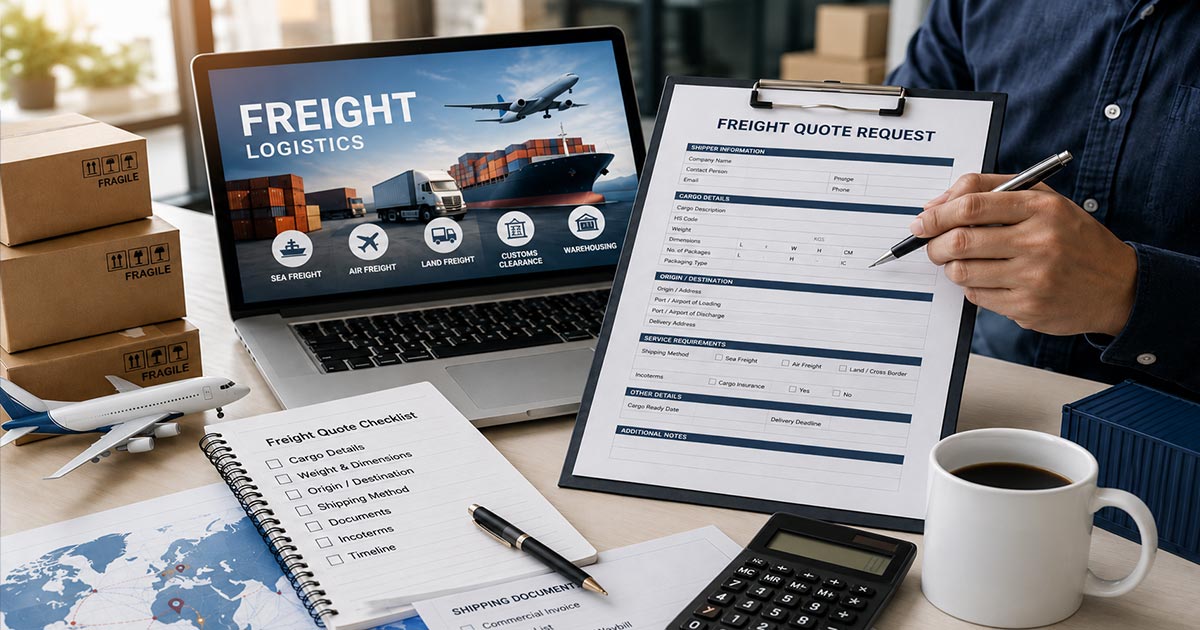

Logistics is no longer only about moving goods from one place to another. In modern business, logistics involves transportation, warehousing, inventory coordination, packaging, order management, shipment visibility, and delivery planning.
As supply chains become more complex, technology is playing a larger role in helping businesses manage logistics operations more efficiently.
For manufacturers, importers, exporters, distributors, and e-commerce businesses, understanding logistics technology can help improve planning, reduce unnecessary costs, and support better service performance.
What Is Logistics?
Logistics refers to the planning, movement, storage, and coordination of goods, information, and related resources from the point of origin to the final destination.
In practical business operations, logistics may include:
- transportation by sea, air, or land
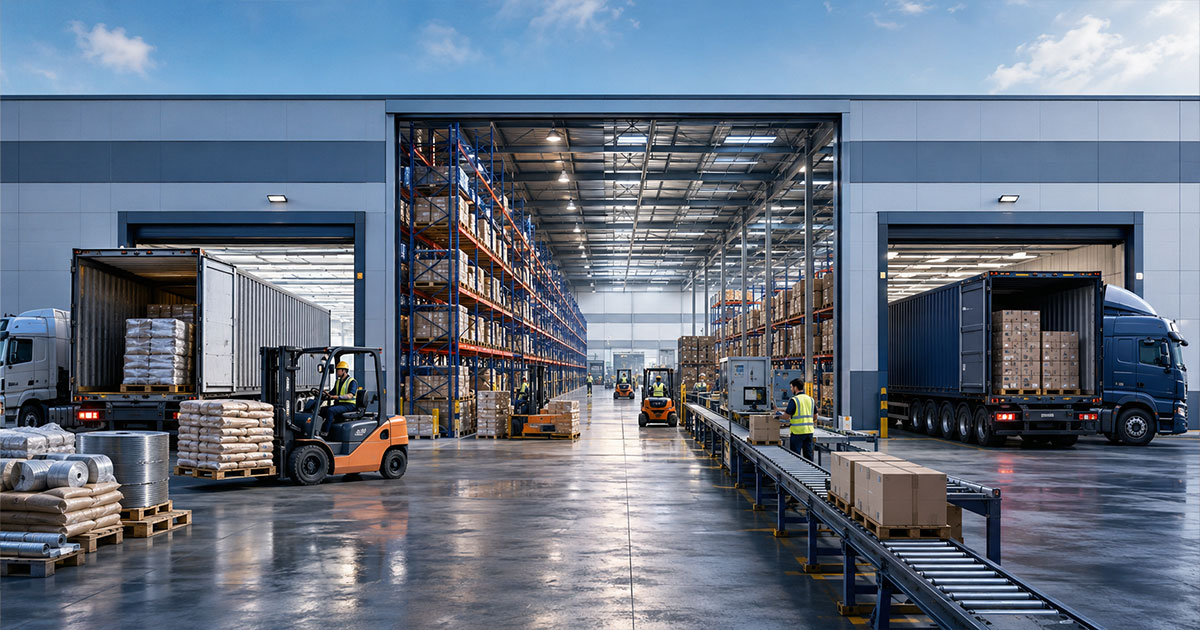
- warehouse and storage management
- inventory coordination
- packaging and handling
- order preparation
- shipment tracking
- delivery planning
- coordination with customers and partners
Logistics is an important part of supply chain management because it helps goods move through the business network in a structured and efficient way.
Why Logistics Management Matters
Good logistics management helps businesses deliver goods to the right place, at the right time, in the right condition, and at a reasonable cost.
Although logistics may appear simple from the outside, actual operations often involve many decisions, such as shipment mode, route planning, cargo handling, warehouse space, vehicle usage, delivery schedule, and documentation.
Poor logistics management may lead to delays, higher costs, damaged goods, inefficient vehicle use, and customer dissatisfaction.
Four Key Areas of Logistics Management
Logistics management can be understood through four key operational areas: movement, storage, consolidation, and distribution.
- Movement
Movement refers to the physical flow of goods from one point to another. This may involve moving raw materials, parts, finished goods, or customer orders through different transport modes.
Efficient movement helps businesses reduce handling time, improve vehicle utilization, and lower the risk of damage during transportation.
- Storage
Storage involves keeping goods in the right location and condition before they move to the next stage of the supply chain.
Good storage planning can help businesses reduce storage costs, improve inventory visibility, and support faster order preparation.
Storage may involve raw materials, semi-finished goods, finished products, or goods waiting for distribution.
- Consolidation
Consolidation is the process of combining multiple shipments, orders, or cargo items into a more efficient transport load.
For example, goods from different suppliers or customers may be collected and combined at a warehouse or distribution center before delivery.
This can help reduce unnecessary trips, improve load utilization, and support more cost-efficient transportation.
- Distribution
Distribution refers to the process of delivering goods from a business, warehouse, or distribution center to customers, retailers, branches, or other destinations.
Effective distribution planning helps ensure that goods are delivered accurately, on time, and according to customer requirements.
Why Logistics Is an Attractive Business Sector
Logistics has become increasingly important because business models and customer expectations have changed.
E-commerce, online marketplaces, faster delivery expectations, cross-border trade, and more complex supply chains have all increased the demand for reliable logistics services.
Today, businesses do not compete only on product quality or price. Delivery speed, shipment visibility, packaging condition, customer communication, and service reliability also affect customer experience.
This is why many businesses choose to work with logistics service providers instead of managing every transport and delivery process internally.
Logistics Technologies Businesses Should Know
Technology can help make logistics operations more visible, more efficient, and easier to coordinate. The right tools depend on the size of the business, shipment volume, service model, and operational requirements.
Below are examples of logistics technologies commonly used in modern supply chain operations.
Route Planning and Routing Management
Route planning technology helps businesses plan delivery routes, calculate transport schedules, and improve vehicle usage.
A routing management system may help with:
- selecting suitable delivery routes
- reducing unnecessary distance
- planning delivery sequences
- improving vehicle loading
- reducing travel time
- supporting better delivery productivity
For businesses with regular deliveries, route planning can play an important role in cost control and service consistency.
GPS Tracking and Shipment Monitoring
GPS tracking helps businesses monitor the location of vehicles, shipments, or delivery teams in real time or near real time.
This technology can support:
- vehicle location tracking
- estimated delivery time updates
- transport route monitoring
- driver coordination
- delivery visibility for customers
- faster response when problems occur
For logistics operations, shipment visibility is important because customers often want to know where their cargo is and when it will arrive.
Fulfillment Service Technology
Fulfillment service refers to a process where goods are stored, picked, packed, and shipped on behalf of a business.
Technology is often used to connect inventory, orders, packing, shipping, and delivery status in one workflow.
Fulfillment systems may support:
- inventory tracking
- order receiving
- picking and packing
- shipping label preparation
- stock updates
- delivery status tracking
This is especially useful for e-commerce and businesses that need to manage many small orders efficiently.
Delivery Management and Fast Delivery Models
Fast delivery models are becoming more common in certain markets, especially e-commerce, food delivery, retail, and urban distribution.
Delivery management technology may help businesses manage short delivery windows, assign orders to delivery teams, monitor delivery status, and update customers.
However, ultrafast delivery is not suitable for every business. It depends on product type, warehouse location, delivery area, order volume, and operating cost.
Businesses should evaluate whether faster delivery creates real customer value or only increases operational pressure.
Technology Should Support the Logistics Strategy
Technology alone does not make logistics efficient. It must support a clear operational strategy.
Before investing in logistics technology, businesses should consider:
- what problems they need to solve
- which processes cause delays or cost issues
- what data they need to monitor
- which teams or partners need to use the system
- whether the technology fits the scale of the business
The right logistics technology should help businesses improve coordination, reduce manual work, increase visibility, and make better operational decisions.
Logistics Technology and the Future of Supply Chain Operations
As business becomes more connected, logistics technology will continue to play an important role in supply chain management.
For businesses involved in import-export, freight forwarding, warehousing, distribution, or e-commerce, technology can help improve shipment planning, tracking, customer communication, and operational control.
A strong logistics operation is not only about speed. It is about planning, visibility, coordination, and reliability across the supply chain.