
In freight forwarding, accurate cargo information is not just a formality. It is one of the most important foundations for quotation, shipment planning, customs preparation, carrier coordination, and final delivery.
For importers, exporters, manufacturers, and trading companies, unclear or incomplete cargo details can lead to inaccurate freight estimates, document corrections, customs questions, loading issues, or delivery delays.
This article explains why accurate cargo information matters in freight forwarding and what businesses should prepare before arranging an international shipment.
What Is Cargo Information?
Cargo information refers to the key details that describe the goods being shipped.
This includes basic details such as product name, quantity, weight, dimensions, packaging, cargo value, origin, destination, and shipping method. It may also include technical details, HS Code, special handling requirements, product photos, certificates, and import-export documents.
In international logistics, cargo information is used by several parties, including the freight forwarder, customs broker, carrier, warehouse, trucking provider, shipper, consignee, and sometimes government agencies.
If the information is incomplete or inaccurate, the whole shipment process can become more difficult to manage.
1. Cargo Information Affects Freight Quotation
A freight quote cannot be calculated accurately without clear cargo details.
The logistics provider needs to understand what is being shipped, how large it is, how heavy it is, where it will be picked up, where it will be delivered, and whether any special handling is required.
Important quotation details include:
- Product description
- Gross weight
- Net weight, if available
- Dimensions
- Number of packages
- Packaging type
- Pick-up location
- Delivery location
- Shipping method
- Incoterms
- Cargo-ready date
- Delivery timeline
If the cargo size, weight, or packaging changes after the quotation is prepared, the final cost may also change.
For this reason, businesses should avoid sending incomplete details such as “one pallet,” “machine parts,” or “general cargo” without supporting information.
2. Weight and Dimensions Affect Transportation Cost
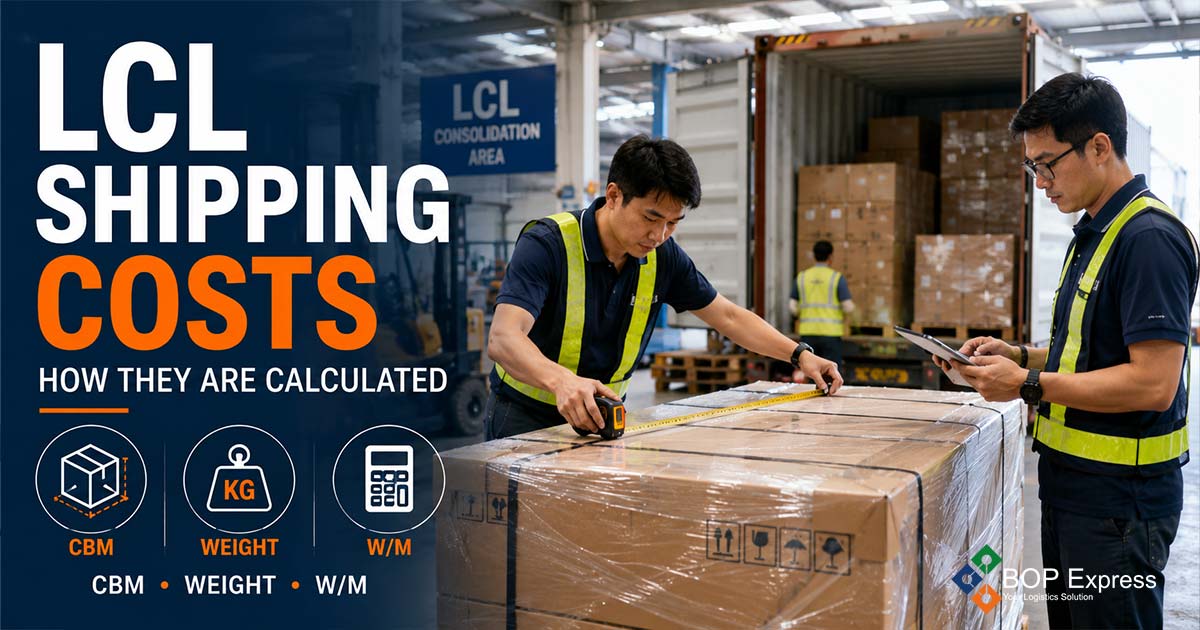
Cargo weight and dimensions are among the most important factors in freight calculation.
For air freight, transportation cost may be affected by actual weight or volumetric weight. If the cargo is light but takes up a large amount of space, volumetric weight may become more important than actual weight.
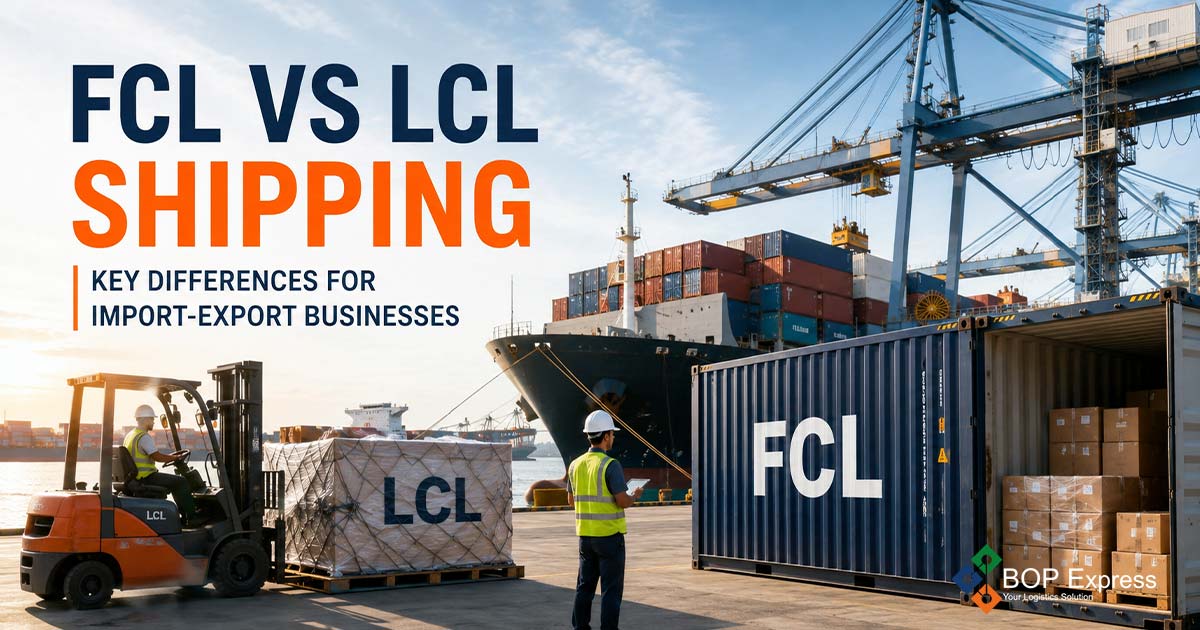
For sea freight, cargo volume can affect whether the shipment is suitable for LCL, FCL, or special container arrangements. For inland transportation, cargo size and weight influence vehicle type, loading method, route planning, and equipment requirements.
Businesses should prepare:
- Gross weight
- Net weight
- Length, width, and height
- Number of packages
- Total volume
- Pallet or crate size
- Whether the cargo is stackable
- Whether the cargo requires forklift or crane handling
Incorrect weight or dimensions can cause quotation changes, loading problems, or transport planning issues.
3. Product Description Supports Customs Review
A clear product description is important for customs-related preparation.
Descriptions such as “parts,” “tools,” “equipment,” or “samples” may not be specific enough. The logistics and customs team may need to understand what the product is, what it is made of, how it is used, and whether it is subject to any import or export requirements.
A better cargo description may include:
- Product name
- Main material
- Function or intended use
- Model number
- Brand, if relevant
- Whether the goods are new or used
- Technical details, if required
For machinery, electronics, chemicals, food products, medical-related goods, or controlled items, a clear description is especially important.
4. HS Code Information Can Affect Customs and Cost
The HS Code is used to classify goods for customs purposes. It can affect duty rates, taxes, permits, import restrictions, and supporting documents.
If the HS Code is incorrect or not confirmed, customs-related planning may become more difficult. In some cases, additional product information, catalogues, technical documents, or clarification may be needed.
Businesses should prepare supporting information such as:
- Product specification
- Catalogue
- Technical drawing
- Material details
- Usage explanation
- Product photos
- Previous import records, if available
Businesses should not guess HS Codes based only on a short product name. Accurate product classification requires enough information to understand the product properly.
5. Packaging Details Affect Loading and Cargo Safety
Packaging is not only about protecting the product. It also affects loading, handling, vehicle selection, warehouse planning, and shipment safety.
The logistics provider should know whether the goods are packed in cartons, pallets, wooden crates, drums, bags, rolls, or loose cargo.
Useful packaging details include:
- Packaging type
- Number of packages
- Package dimensions
- Package weight
- Stackable or non-stackable status
- Fragile cargo indication
- Lifting points
- Forklift or crane requirement
For heavy equipment, oversized cargo, or project cargo, packaging and lifting information are especially important for planning.
6. Cargo Value Matters for Customs and Insurance
Cargo value is relevant for commercial documents, customs declaration, insurance, and risk management.
The commercial invoice should show the transaction value, currency, buyer, seller, product description, quantity, and trade terms. If the value is unclear or inconsistent with other documents, it may lead to additional review.
Cargo value also helps businesses decide whether cargo insurance should be considered, especially for high-value goods, fragile products, machinery, or long-distance shipments.
7. Incoterms Define Responsibilities
Incoterms help clarify responsibilities between buyer and seller in international trade.
They can affect who is responsible for freight cost, insurance, export clearance, import clearance, duties, taxes, and final delivery. For example, shipments under EXW, FOB, CIF, DAP, or DDP may require different logistics arrangements and cost responsibilities.
When requesting logistics support, businesses should provide the agreed Incoterms if available.
If Incoterms are not yet confirmed, the logistics provider should be informed so the quotation and shipment planning can be based on clear assumptions.
8. Accurate Documents Reduce Avoidable Delays
Cargo information should match the shipping documents.
If the commercial invoice, packing list, bill of lading, air waybill, and customs documents show different information, the shipment may require clarification or correction.
Businesses should check that key details match across documents:
- Product description
- Quantity
- Number of packages
- Weight
- Dimensions
- Invoice value
- Currency
- Shipper and consignee details
- Origin and destination
- Incoterms
Document mismatch is one of the common reasons shipments require additional coordination.
9. Special Cargo Requirements Must Be Communicated Early
Some shipments require special handling, documentation, or transport planning.
Examples include:
- Dangerous goods
- Chemicals
- Temperature-sensitive cargo
- Food products
- High-value cargo
- Fragile goods
- Oversized cargo
- Heavy equipment
- Used machinery
- Non-stackable cargo
- Cargo requiring inspection
- Cargo delivered to restricted areas
If special requirements are not shared early, the logistics provider may not be able to prepare the correct transport method, documentation, equipment, or route plan.
10. Cargo Information Helps Plan Final Delivery
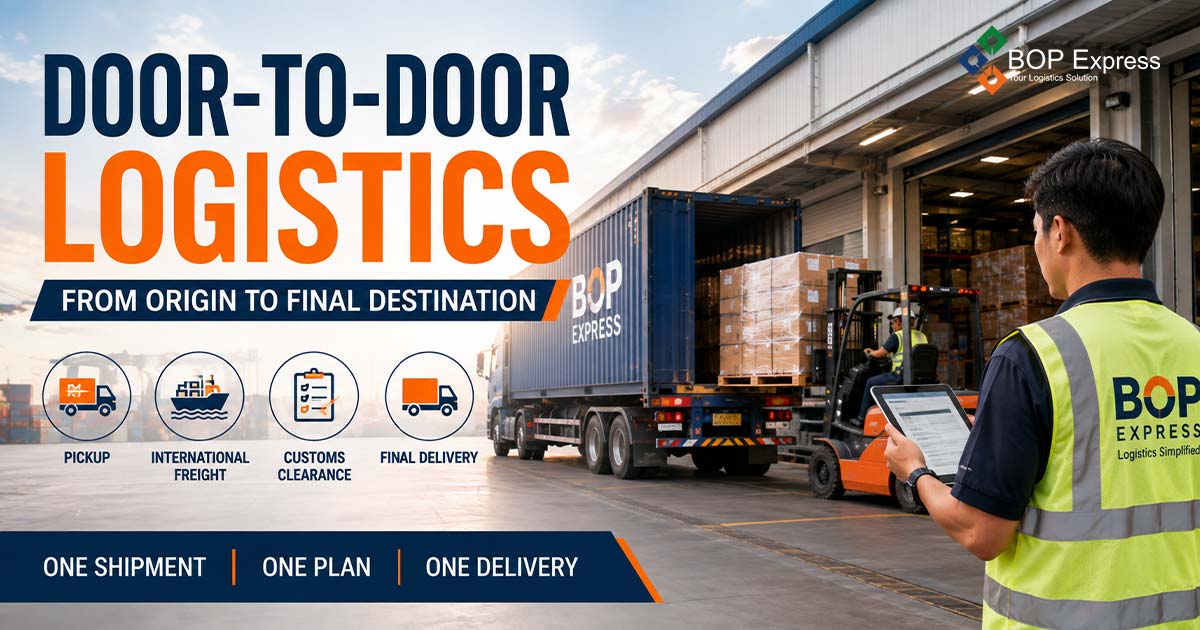
Freight forwarding does not end at the port or airport if the shipment requires delivery to a warehouse, factory, construction site, or customer location.
Accurate cargo information helps plan inland transportation and final delivery.
The logistics team may need to know:
- Delivery address
- Site access conditions
- Loading dock availability
- Forklift or crane availability
- Delivery time restrictions
- Contact person at destination
- Vehicle size restrictions
- Unloading requirements
For industrial cargo, project cargo, or factory delivery, final delivery planning should be discussed before the shipment arrives.
Cargo Information Checklist
Before arranging a shipment, businesses should prepare the following:
- Product name and description
- HS Code, if available
- Product material and usage
- Quantity
- Gross weight and net weight
- Dimensions
- Number of packages
- Packaging type
- Cargo value and currency
- Incoterms
- Pick-up and delivery locations
- Cargo-ready date
- Preferred shipping method
- Required delivery timeline
- Import or export documents
- Special handling requirements
- Product photos, if useful
- Technical documents, if needed
- Contact person details
The more complete the information, the more effectively the logistics provider can review the shipment.
How BOP Express Supports Cargo Information Review
For businesses involved in import, export, freight forwarding, customs clearance, air freight, sea freight, cross-border logistics, or inland transportation, accurate cargo information is an important part of shipment planning.
BOP Express supports business customers with logistics coordination, document review, customs clearance preparation, freight forwarding, and delivery planning based on the cargo details and shipment requirements provided.
By preparing cargo information clearly from the beginning, businesses can help reduce avoidable coordination issues and support a more organized logistics process.
Talk to BOP Express
If your business is preparing an international shipment, contact BOP Express to discuss your cargo details, route, documents, and expected timeline.
Our team can help review the logistics requirements and support the planning process based on the information provided.